
Georgie

Hi, I am Georgie Smith.
I am the Founder of the nonprofit A Sense of Home (ASOH) which strives to prevent homelessness by creating homes for young people aging out of foster care and other displaced persons. It began when a young person aging out of foster care asked for my help via social media. What I thought was just a one-off random act of kindness became an opportunity for the community to come together to implement a sustainable solution and improve the lives of the most disenfranchised whilst also improving society as a whole.
50% of the homeless population were once in foster care. 50% of young people aging out of foster care are immediately confronted with homelessness. 100% of them are faced with furniture poverty. Empirical evidence has found that a tenancy will fail if an occupant cannot turn their dwelling into a fully functioning home. It requires hundreds of items that form a kind of tool kit for life - the ability to build a healthy and productive life. On the low end it costs $12,000 to fully equip a one bedroom apartment to make the space a functional home (without appliances). That doesn’t include the cost and time it takes to procure every single item, transport it and assemble it.
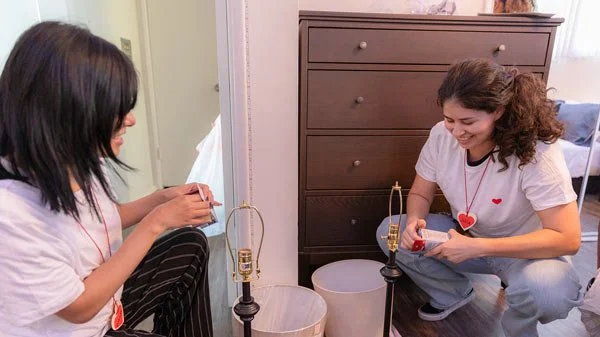
Only 0.3% of all furniture produced is recycled. Furniture makes up 25% of all durable goods in landfills. Our model efficiently upcycles perfectly wonderful items, no longer needed by the original owner, and thanks to the loving acts of volunteers, these items form a curated and lovingly designed home that prevents someone from becoming homeless.
Our evidence-based model is designed to create an intentional, healing home environment, uniquely curated for each individual and family. This unique volunteer powered model unites the community, turning the act of furnishing a home into a collective healing experience.The Mayo Clinic states that volunteering is the most powerful non-pharmacological approach to improving mental health, combating loneliness, and fostering a sense of purpose. When we gather with strangers and/or friends to focus on a solution and share our gifts, joy, and pain, we bear witness to our inextricable human connection as one. We lift up the entire community in our holistic approach.
Our most basic needs for survival and our most complex needs are all satisfied thanks to the place we call home. We spend over two thirds of our lifetime at home and the average person spends the largest percentage of their income on home. 80% of our physical and mental health is determined by our home. “Our home is our health” is the central finding of several research efforts from Harvard. Researchers and health experts agree that the home environment is the most critical determinant of health, more influential than genetics, directly impacting physical and mental well-being. Home serves as the core foundational pillar which fundamentally shapes not only health, but productivity at work and in education, personal growth, social capital, and relationships.


For individuals with trauma histories where home was once unsafe, a new relationship with a thoughtfully designed, secure home actively rewires the brain into a state of regulation unlocking the body’s natural capacity for healing, repair, and optimal function. The deeply psychological positive experience of gaining a sense of home, enables an occupant to relearn that a home can be safe, permanent, and nurturing. By experiencing a home differently individuals can rebuild trust, shift negative self-perceptions, and foster long-term emotional healing. In clinical psychology this is a corrective emotional experience — which is widely considered a key factor in creating lasting, positive change in behavior and mental health.
When the LA Fires struck, we launched a new Disaster Recovery Program — to create home environments for families who lost everything in the fires. In the first year alone we created 650 home environments. By the end of 2026 we will have served at least one seventh of the entire Altadena population impacted by the fires. The traumatic event of loosing a home causes acute stress and a profound sense of grief which leads to decreased productivity in work and school, as well as immense psychological distress, shattering one's sense of self and safety. Too often, it leads to homelessness. After the devastation of losing one’s home being able to find a sense of home, is vital for maintain housing stability, restoring mental health, physical health and financial stability.
After 11 + years, ASOH has grown into a movement for homeless prevention and we are now launching in New York where there is a great need to support the Nation’s second largest foster youth population. A Sense of Home is embarking upon a critical step in scaling its proven model. Continuing our growth in Los Angeles, the successful launch and scaling of the New York chapter, will lead to the replication of our homelessness prevention model in other high-need regions across the country. Central to this strategy is a commitment to collaboration, innovation, and responsiveness to the evolving needs of transition-age foster youth.


Our footprints last forever when our actions and deeds, inspire others to be a force for good to create sustainable, positive change. The ripple effect continues to bring joy, hope and change when we are conscious of the well-being of all who intersect our everyday rhythm and flow. Instagram @GeorgieSmith_Home
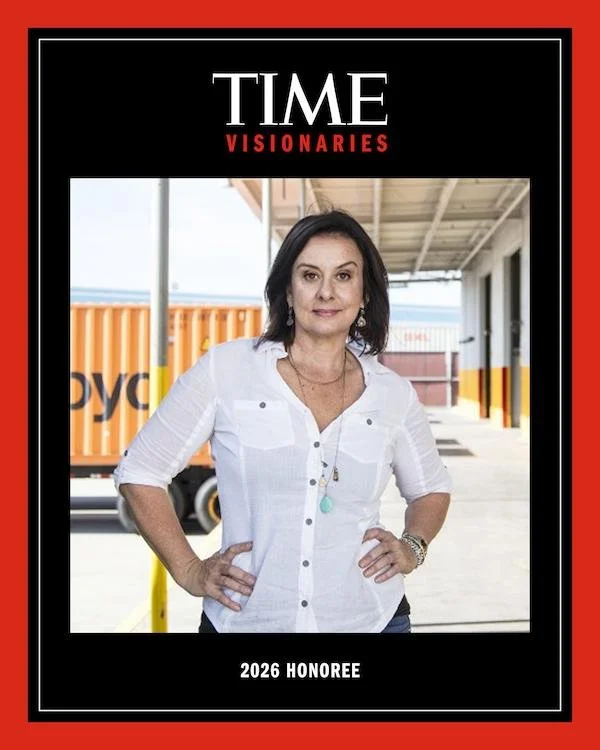
TIME 2026 Visionaries List
Museum of Thought
CNN
InStyle
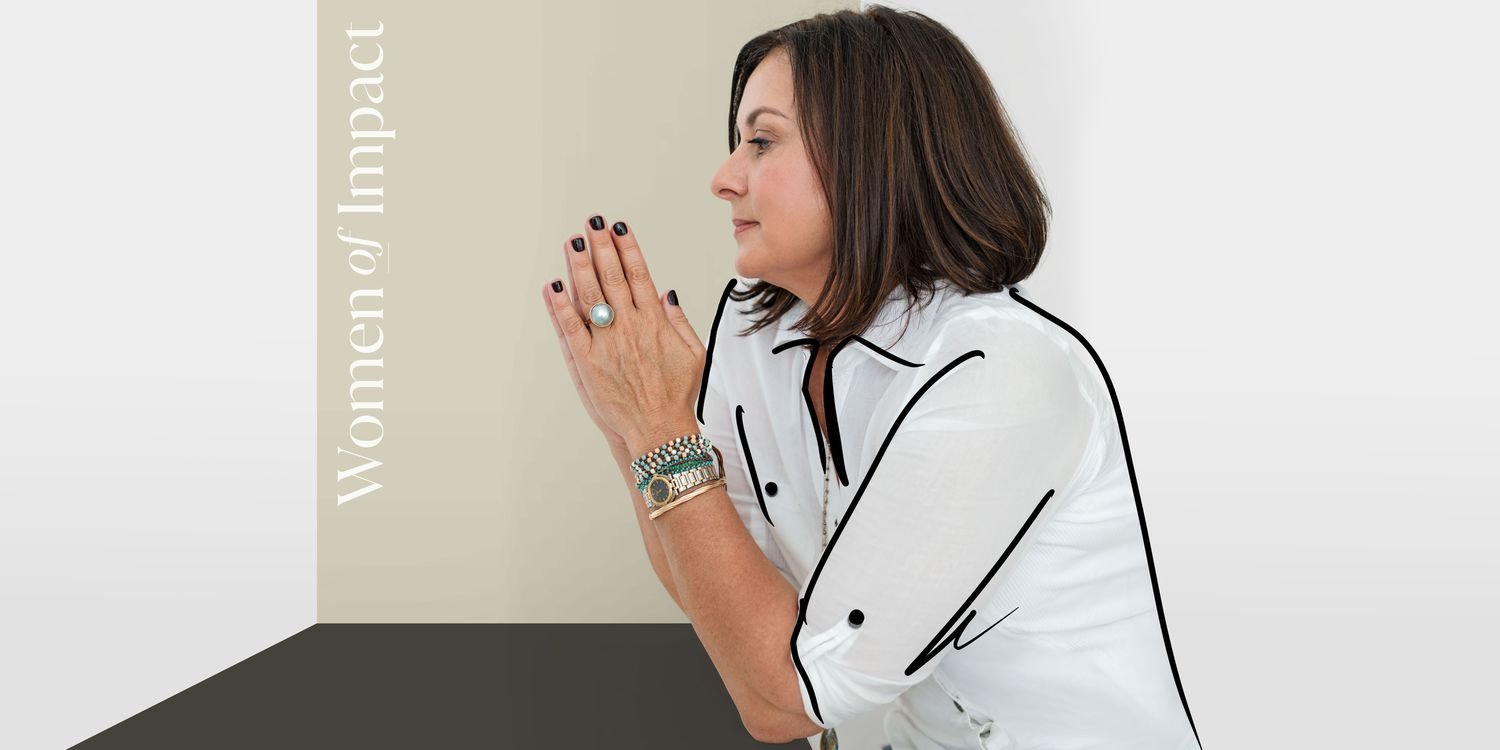
Imprint
Los Angeles Magazine

The Hollywood Reporter

Angeleno


Take a Seat with Changemaker Georgie Smith

NBC

New Disaster Relief Program
CNN

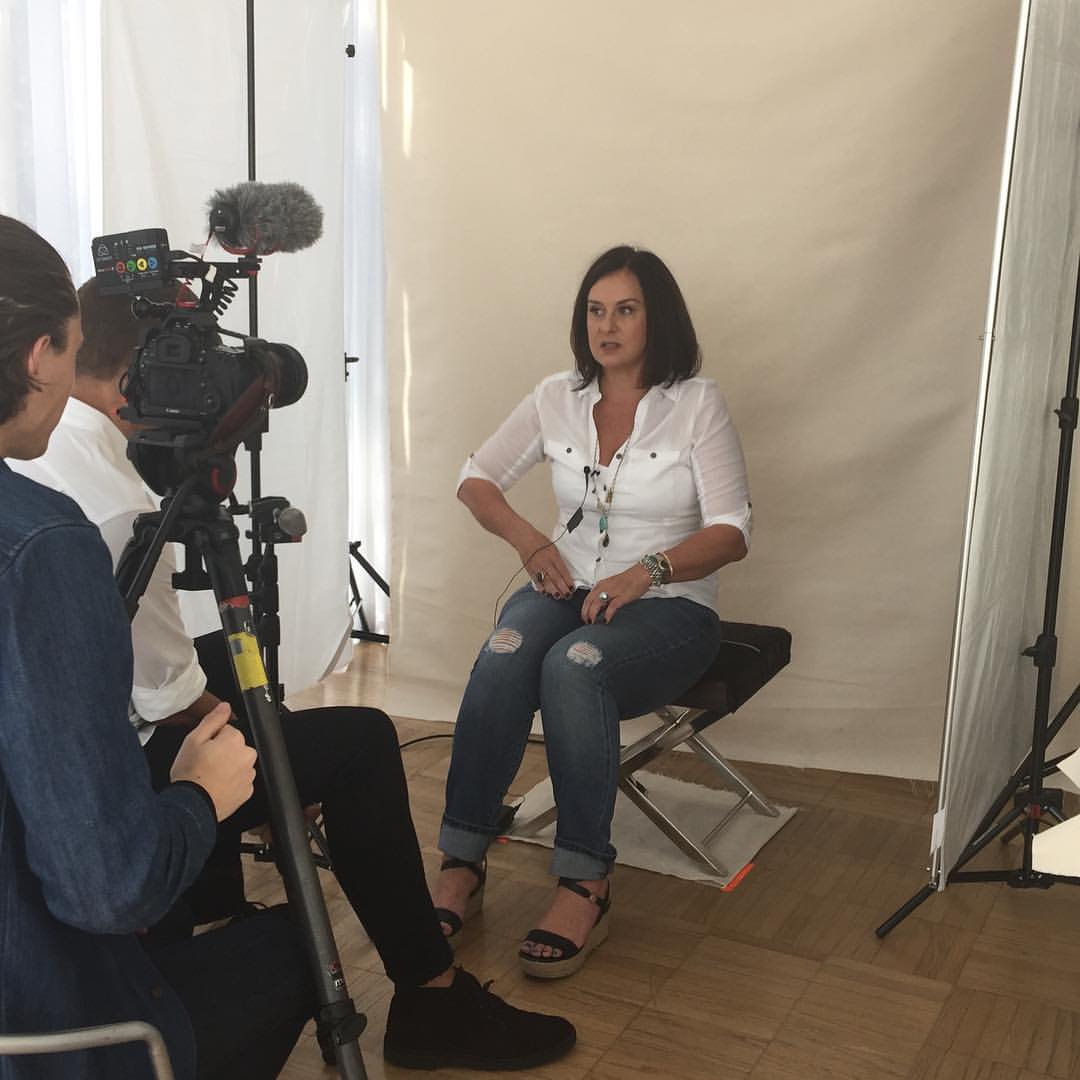
200 Women

Featured in the book and global Exhibit 200 Women: Who Will Change The Way You See The World